
Preparing Your Practice for Autumn
24 August 2026 · By PIERRE
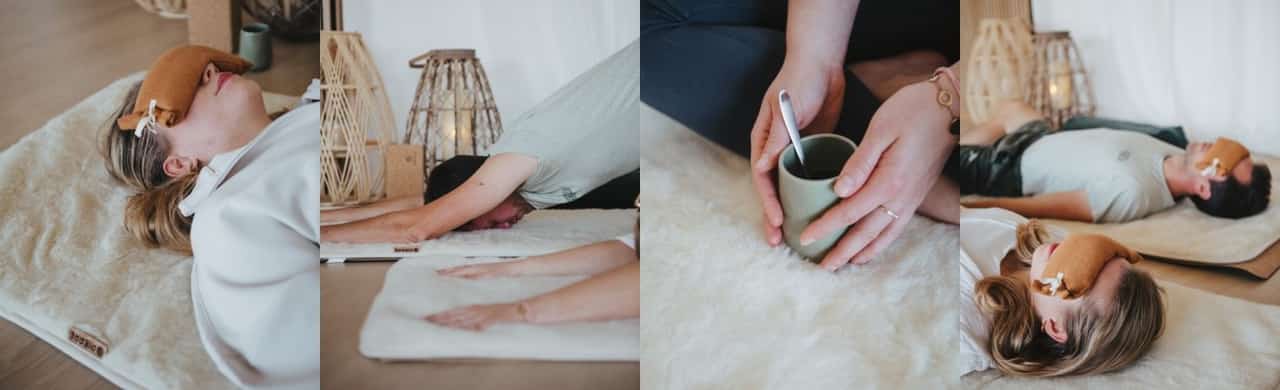
Something shifts in September.
The light changes first. Then the air. Then, if you pay attention, the body begins to change too — pulling inward, moving slightly more slowly, asking for warmth in a way it did not in July.
Autumn yoga practice is not the same as summer yoga practice. That is not a problem to solve. It is simply the season asking you to listen differently.
Why Autumn Signals a Shift in Practice
In Ayurvedic tradition, the ancient Indian system of health that developed alongside yoga, autumn is a season of transition. The energy moves downward and inward. The quality associated with this season is Vata: dry, cool, light, and mobile. As a result, the practices that balance Vata energy are those that do the opposite — warm, grounding, slow, and still.
Modern physiology supports a similar reading. As temperatures drop, the body's thermoregulation requires more effort during rest and stillness. In a studio in January, lying in savasana for five minutes can feel genuinely cold in a way that the same posture in June does not. The body cools more quickly when it is not moving, and it cools faster when the ambient temperature is lower.
For practitioners accustomed to a dynamic summer practice — vinyasa, ashtanga, power yoga — this shift can feel like a loss of momentum. In reality, it is an invitation to a different kind of depth.
What an Autumn Yoga Practice Looks Like
The practices that suit autumn yoga most naturally are those that ask the body to slow down rather than speed up. Yin yoga, yoga nidra, and restorative practice all become more relevant as the season changes — not because dynamic practice is wrong, but because the body genuinely benefits from a different emphasis at this time of year.
Yin Yoga
Yin yoga works on the connective tissue — the fascia, the joints, the deep ligaments — through long, passive holds. Poses are held for three to five minutes or longer. The effect is cumulative and deeply releasing, and it suits the inward quality of the autumn season well. Research published in Frontiers in Psychology found that yin yoga produced significant reductions in stress and anxiety, effects that compound with regular practice over weeks and months.
Yoga Nidra
Yoga nidra, often translated as yogic sleep, is a guided meditation practice conducted in a lying position. The practitioner moves through different stages of relaxation, arriving at a threshold state between waking and sleep that research associates with deep nervous system restoration. Yoga nidra produces measurable reductions in anxiety and improvements in sleep quality. Both are particularly valuable as autumn arrives and the nervous system begins its seasonal recalibration.
Restorative Practice
Restorative yoga uses props — bolsters, blocks, blankets, and covers — to support the body fully in passive postures. The effort required is minimal. The release is considerable. For practitioners who carry a high demand for output in their work and daily lives, restorative practice offers something that active movement rarely does: complete permission to stop.
Why Warmth Becomes the Priority
As the body cools more quickly in stillness during autumn, warmth becomes a practical concern rather than a comfort preference. A cold body in a long yin hold is a body that cannot release. Tension and warmth are directly related — warm tissue is pliable tissue, and pliable tissue yields to the practice.
Natural materials hold warmth in a way that synthetic ones do not. Wool, in particular, has been used for thermal regulation for thousands of years. It traps warm air close to the body while remaining breathable, and it continues to insulate even when damp, a quality no synthetic fleece fully replicates.
Furthermore, the texture and weight of natural materials communicate something to the nervous system that plastic-derived fabrics do not. There is a quality of genuineness to wool — a warmth that reads as real — in a way that feels relevant when the body is trying to settle.
The Wool Cover and What It Does
The PIERRE Wool Cover is handmade in Sofia, Bulgaria, from European Merino wool. It comes with its own carry bag and lays over any mat, transforming the surface beneath into something warmer, softer, and more inviting for the slower practices that autumn calls for.
In a yin hold, the cover does two things. First, it insulates, keeping the body's warmth close and slowing the cooling that happens during long passive postures. Second, and perhaps more importantly, it signals. The nervous system responds to softness and warmth as indicators of safety. A body that feels safe is a body that can release. A body that is slightly cold and lying on a firm rubber surface is a body that holds on.
That distinction matters considerably in restorative and yin practice, where the entire point is to invite the body to let go.
Merino wool, specifically, is finer and softer than standard wool. It does not scratch or irritate the skin, which matters when the face rests against it in savasana or supported child's pose. Sofia's textile tradition brings a quality of handcraft to the construction that machine production simply does not replicate.
Consistency Over Intensity as the Season Changes
One of the most useful principles for an autumn yoga practice is also one of the simplest: show up more often, for less time, rather than less often for longer. Consistency of practice, even fifteen or twenty minutes each day, tends to produce more lasting benefit than a single long session once a week.
Research shows that regular yoga practice, even at low intensity, produces measurable improvements in sleep quality — a benefit that becomes more relevant as the nights lengthen and the seasonal shift affects the body's circadian rhythms.
In practice, this means building a short autumn routine that you can return to each day rather than a demanding sequence that requires motivation to begin. A gentle warm-up, two or three yin postures held for three to five minutes each, and a long savasana with the wool cover laid over the body. That is enough. Done consistently, it is more than enough.
Building Your Autumn Yoga Routine
A few practical suggestions for the transition into autumn practice:
- Warm the room before you begin, or practise earlier in the day when ambient temperature is higher. A cold room requires the body to work harder simply to stay warm, which counteracts the purpose of slower practice.
- Use the wool cover from the start of the session, not just in savasana. Laying it over the legs during a seated forward fold adds warmth that allows the hamstrings to release more fully.
- Reduce the pace of transitions between postures. Autumn practice rewards deliberate movement. There is no hurry.
- Consider adding yoga nidra to the end of sessions two or three times a week. Even a short twenty-minute practice produces a quality of rest that sleep alone does not always replicate.
- Support the body fully in every posture. Use a bolster under the knees in savasana. Use cork blocks under the hips in supported pigeon. The more fully supported the body, the more fully it can release.
Frequently Asked Questions
How should I change my yoga practice for autumn?
Autumn is a good time to shift from dynamic, heat-building practice toward slower, more restorative styles. Yin yoga, yoga nidra, and restorative yoga all suit the season well. The body cools more quickly in stillness as temperatures drop, so warmth and support — through props and natural materials — become more important.
Why does the body feel different in autumn practice?
As temperatures drop, the body's thermoregulation requires more effort during rest. Connective tissue is also less pliable when cool, which means passive postures require more support and warmth to be effective. The seasonal shift also affects the nervous system, often increasing the need for stillness and restoration.
What is the PIERRE Wool Cover and how is it used?
The PIERRE Wool Cover is handmade in Sofia, Bulgaria, from European Merino wool. It lays over any yoga mat and is used to add warmth and softness during yin, restorative, and yoga nidra practice. It comes with its own carry bag and is suitable for both home and studio use.
What is the best yoga style for autumn?
Yin yoga, yoga nidra, and restorative yoga are particularly well suited to autumn. Each style asks the body to slow down, release, and rest more fully, which aligns naturally with the season's inward energy. Dynamic practice remains valuable, but the balance tends to shift as the year moves into its cooler months.
Does regular yoga practice improve sleep in autumn?
Research indicates that regular yoga practice, even at low intensity, produces measurable improvements in sleep quality. As the nights lengthen in autumn and the body's circadian rhythms adjust, a consistent short practice — particularly yoga nidra — can support better sleep through the seasonal transition.
A Thought
The season is asking you to slow down. That is not a setback. It is an invitation.
Settle In
Explore the PIERRE Wool Cover in the shop, alongside the recycled bolster and cork blocks that complete a restorative autumn practice. Everything is made in Europe, by hand, with purpose.
Continue Reading
24 August 2026
Take Your Practice to Higher Ground
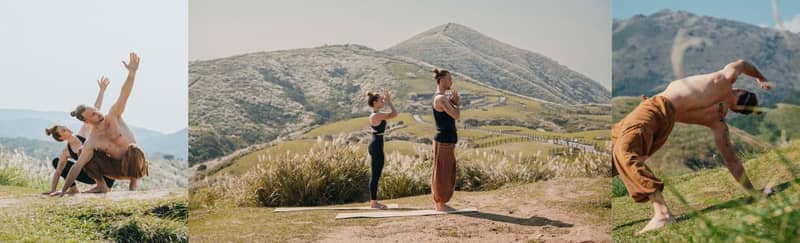
Outdoor yoga changes what practice becomes. Discover why natural settings deepen the body's response, and the mat built to go with you.

10 July 2026
Yoga & Trail in the Austrian Alps
Five days to move, slow down and come back to yourself — hosted at Der Baum, surrounded by forest and silence in the Austrian Alps.
29 May 2026
How to Set Up a Corporate Wellness Yoga Programme
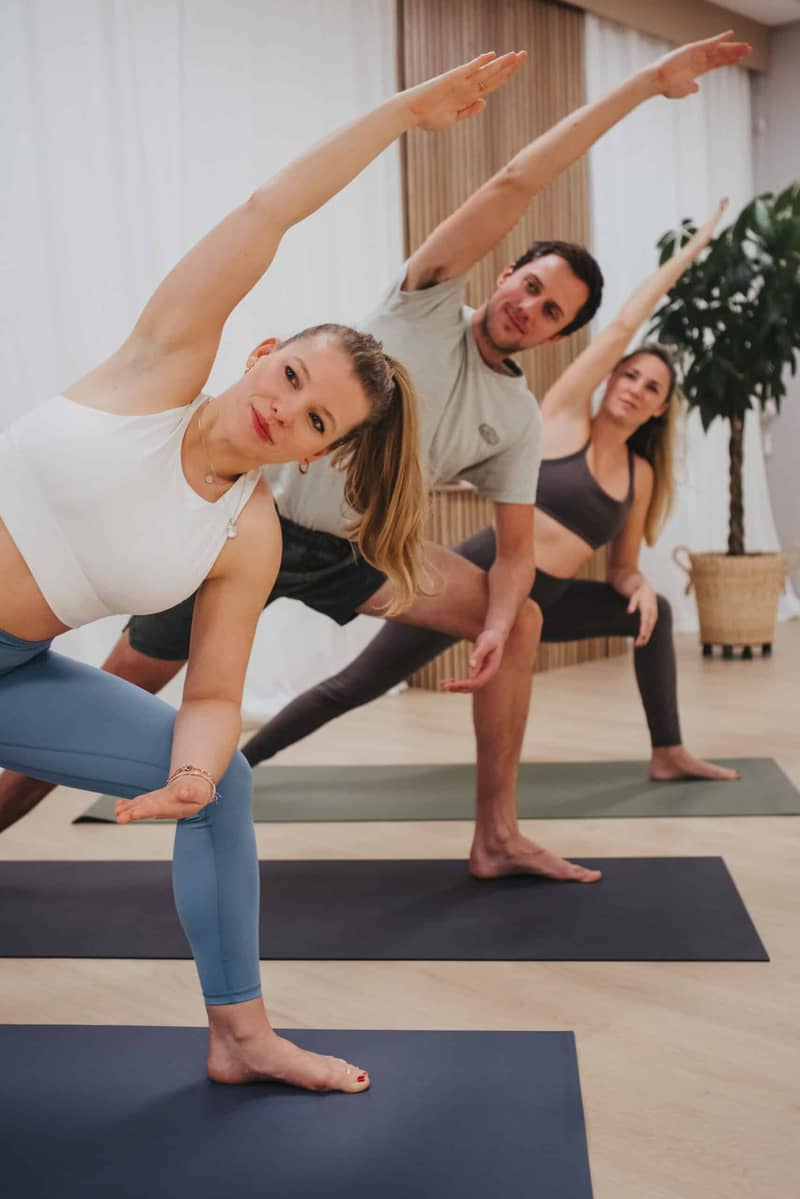
The Workplace Is Ready for This Something is shifting in how forward-thinking companies think about their people. Not just productivity. Not just performance metrics. But the quieter, more human quest…